Dr. Mathews dispels some popular myths about this common condition Since urinary tract infections are the second most common type of infection, most people have had a urinary tract infection or know someone who has had one. The fact that urinary tract infections are so commonplace makes them more susceptible to false information and myths….Read the Rest of Article
Posted in Bladder Dysfunction, Bladder Irritants, Dr JKM, Urogynecology | Comments Off on Four myths about urinary tract infections
Did you know that the things you eat and drink every day not only affect your overall health, but they may also exacerbate the symptoms of your incontinence? Dr. J. Kyle Mathews and the dedicated team at Plano Urogynecology Associates work to address every issue in your life that may help improve the symptoms of…Read the Rest of Article
Posted in Bladder Dysfunction, Bladder Irritants, Dr JKM, Foods that Irritate the Bladder, incontinence | Comments Off on 3 Dietary Changes that May Help Alleviate Incontinence
The summer season often brings a change of pace with family vacations, celebrations and yes, swimsuits. It also means that you’re out of your routine and away from home, sometimes causing concerns for women with stress urinary incontinence. Dr. J. Kyle Mathews and the team at Plano Urogynecology Associates are here to help you solve…Read the Rest of Article
Posted in Bladder Dysfunction, Dr JKM, incontinence | Comments Off on What to Do If You “Have to Go” When You’re on the Go This Summer
You can’t wait for relief from incontinence, but do not look forward to bladder surgery? Dr. J. Kyle Mathews wants to reassure you that the surgical treatment for stress incontinence has dramatically improved, and has a 90 percent success rate. In one technique known as bladder sling surgery, Dr. Mathews will create a hammock-like sling around…Read the Rest of Article
Posted in Bladder Dysfunction, Bladder Slings, Pelvic Reconstructive Surgery & Urogynecology, Urogynecology | Comments Off on Don’t Stress about Stress Incontinence Surgery
Both the incidence and prevalence of urinary and bladder conditions are predicted to increase worldwide between 2008 and 2018
Tags: Dr. Mathews, stress incontinence, urge incontinence, urgency
Posted in Bladder Dysfunction, News & Education, Pelvic Reconstructive Surgery & Urogynecology | No Comments »
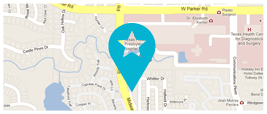
3108 Midway Road, Suite 200
Plano Texas 75093






3108 Midway Road, Suite 200
Plano Texas 75093