Dr. J. Kyle Mathews among 1,640 Initiates from around the world who became Fellows of the American College of Surgeons (FACS) during the Convocation ceremony at the College’s 2014 annual Clinical Congress in San Francisco, Calif., last month. This year’s class of Initiates was among one of the largest ever admitted into the College. Dr….Read the Rest of Article
Posted in Board Certified Urogynecologist, Pelvic Reconstructive Surgery & Urogynecology, Press, Surgeon | Comments Off on Dr. J. Kyle Mathews Among 1,640 Initiated Into American College Of Surgeons
Dr. J. Kyle Mathews Among 1 Percent to Receive Board Certification in Urogynecology PLANO, Texas (Feb 12, 2014) – Joining a handful of urogynecologists, Plano’s Dr. J. Kyle Mathews is one of the first in the United States to receive board certification in Female Pelvic Medicine and Reconstructive Surgery, also known as Urogynecology. A relatively…Read the Rest of Article
Posted in Dr JKM, Pelvic Reconstructive Surgery & Urogynecology, Sexual Dysfunction, Urogynecology | Comments Off on Dr. J. Kyle Mathews Among a Handful to Receive Board Certification in Urogynecology
You can’t wait for relief from incontinence, but do not look forward to bladder surgery? Dr. J. Kyle Mathews wants to reassure you that the surgical treatment for stress incontinence has dramatically improved, and has a 90 percent success rate. In one technique known as bladder sling surgery, Dr. Mathews will create a hammock-like sling around…Read the Rest of Article
Posted in Bladder Dysfunction, Bladder Slings, Pelvic Reconstructive Surgery & Urogynecology, Urogynecology | Comments Off on Don’t Stress about Stress Incontinence Surgery
Dr. J. Kyle Mathews attended the 38th annual scientific meeting of the Society of Gynecological Surgeons in Baltimore, MD April 12 th throughout the 15th. The meeting consisted of over 300 participants with discussion, and presentations on the latest research and developments in the diagnosis and treatment in Gynecologic Surgery.
Tags: Dr. Mathews, J. Kyle Mathews MD, SGS, society of gynecologic surgeons
Posted in Gynecology, News & Education, Pelvic Reconstructive Surgery & Urogynecology | No Comments »
Both the incidence and prevalence of urinary and bladder conditions are predicted to increase worldwide between 2008 and 2018
Tags: Dr. Mathews, stress incontinence, urge incontinence, urgency
Posted in Bladder Dysfunction, News & Education, Pelvic Reconstructive Surgery & Urogynecology | No Comments »
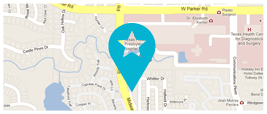
3108 Midway Road, Suite 200
Plano Texas 75093






3108 Midway Road, Suite 200
Plano Texas 75093